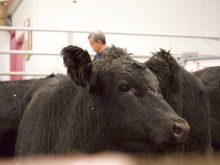


Russia has decided to ban imports of U.S. beef and pork due to possible residue from the feed additive ractopamine, Russia’s Veterinary and Phytosanitary Surveillance Service (Rosselkhoznadzor) said in a statement.
The service will impose a temporary ban on U.S. beef and pork starting on Feb. 11, it added in its statement dated Wednesday.
Canada, meanwhile, has been allowed to continue exporting meat to Russia from eligible plants, after Rosselkhoznadzor reported getting assurances from the Canadian Food Inspection Agency.
Rosselkhoznadzor said Tuesday it had assurance from Dr. Ian Alexander, chief veterinary officer at CFIA’s animal health directorate, that the agency had "no intentions" of issuing veterinary certificates for Russia-bound meat that didn’t comply with Russia’s requirements.
Read Also
Pulse Weekly: War, weather affecting Manitoba pulse prospects
Manitoba pulses could be affected by the ongoing war in Iran as well as spring weather, said the former executive director of Manitoba Pulse & Soybean Growers.
Russia last month suspended imports from two Canadian pork plants and warned four others on findings of ractopamine in frozen pork.
Veterinary certificates, however, would now be issued for Russia-bound Canadian consignments of chilled and frozen beef and pork and finished beef and pork products, only if they have "documentary confirmation" that said consignments are free of ractopamine, Rosselkhoznadzor said Tuesday.
Brazil, Mexico, Canada and the U.S. have all been warned against shipping any more meat containing ractopamine, Rosselkhoznadzor said Tuesday, but added that the U.S. remained the "one country that has taken no measures to ensure compliance with said requirement."
Ractopamine, a growth stimulant used to make meat leaner, is approved and sold in Canada as a feed premix for hog and turkey producers under the name Paylean 20, and as a premix for finishing beef cattle under the name Optaflexx 100.
The drug is banned in some countries because of concerns that residues could remain in the meat and cause health problems, despite scientific evidence it is safe.
The United Nations’ Codex Alimentarius Commission last year established global food safety standards on acceptable daily intake and maximum residue levels for the drug in livestock production.
"We’re acutely aware of the fact that Russia and the U.S. have hit an impasse" over ractopamine, Tyson Foods CEO Donnie Smith said on a media call on Friday.
Smith declined to say how the ban could affect business at Tyson, the largest U.S. meat company.
In Tyson’s fiscal 2012, Russia accounted for nine per cent of the company’s US$1.1 billion in international pork sales. The company’s latest fact book did not have a figure for its beef sales to Russia.
Russia imported 1.25 million tonnes of red meat, excluding offal, worth US$4.47 billion from non-CIS countries in 2011, according to official customs data.
Russia got 7.5 per cent of its imported beef and 11.4 per cent of its imported pork from the United States between January and September 2012. — Reuters/AGCanada.com Network staff